Whole-Home Renovation Storage: Staying Organized During Construction
A kitchen remodel affects one room. A bathroom remodel affects a small part of the house. A whole-home renovation is different.
At some point, it starts to feel like you're moving.
Furniture gets relocated. Bedrooms are emptied. Closets are packed. Artwork comes off the walls. Entire rooms become construction zones. Then someone asks: "Where is all this stuff supposed to go?"
That's why portable storage becomes one of the most important tools during a major renovation or home addition in San Diego. When contractors need access to flooring, walls, ceilings, electrical systems, plumbing, and finishes throughout the house, temporary storage isn't optional. It's part of the project plan.
Major Renovations Often Require Moving Out of Entire Rooms
Most homeowners underestimate how much space contractors need. It's not just the room being renovated — construction work often affects adjacent areas as well.
Projects that commonly require room clearing include:
- Whole-home remodels
- Major additions
- First-floor renovations
- Second-story additions
- Whole-home flooring replacement
- Interior repainting projects
- Electrical upgrades
- Plumbing repipes
- Open-concept renovations
When crews need access to multiple rooms at the same time, furniture quickly becomes an obstacle. The easiest solution is usually the simplest one: move everything out.
The 20' x 8' MI-BOX Container Earns Its Keep
Smaller remodeling projects can often be handled with a smaller container. Whole-home renovations are different. This is where the 20' x 8' MI-BOX container becomes incredibly valuable. Not sure which size fits your project? Our San Diego storage container size guide it down room by room.
Large-scale renovations often require temporary storage for:
Living Room Furniture
- Sofas
- Sectionals
- Coffee tables
- Entertainment centers
- Lamps
- Area rugs
- Decorative pieces
Dining Room Furniture
- Dining tables
- Chairs
- Buffets
- China cabinets
- Artwork
Bedroom Furniture
- Beds
- Dressers
- Nightstands
- Desks
- Seating areas
- Rugs
Household Belongings
- Clothing
- Electronics
- Décor
- Books
- Storage items
- Seasonal belongings
Before long, you've essentially packed up a large portion of the house. That's why whole-home renovations often feel surprisingly similar to moving.
Why Contractors Need Full Access
Every contractor will tell you the same thing: an empty room is a productive room. When crews can move freely, projects typically move faster.
Clear spaces allow contractors to:
- Install flooring
- Paint efficiently
- Complete electrical work
- Access walls
- Move materials
- Set up equipment
- Work safely
Furniture slows everything down. Even carefully covered furniture still creates obstacles during construction. The more space contractors have, the smoother the project usually runs.
Renovation Tip: Don't wait until demolition week to start packing. Begin clearing rooms several weeks before construction starts. The process always takes longer than homeowners expect.
Flooring Projects Change Everything
New flooring is often the turning point in a whole-home renovation. Unlike cabinet work or painting, flooring affects nearly every room. Furniture usually needs to be removed completely before installation begins.
That means:
- Living rooms are emptied
- Dining rooms are cleared
- Bedrooms are packed
- Home offices are relocated
Suddenly the house looks less like a home and more like a construction project. Portable storage gives those belongings a temporary home while work progresses.
The Room-by-Room Move-Back Advantage
This is one of the biggest benefits of driveway storage. Traditional storage facilities keep everything off-site. That sounds fine until construction starts wrapping up — then you must coordinate trucks, movers, loading, unloading, and scheduling.
With a MI-BOX container sitting in your driveway, the process becomes much easier. As contractors finish areas of the home, you can begin moving belongings back in room by room. This flexibility is one of the reasons portable storage for home renovations in San Diego has become so popular.
The living room gets completed. Move the living room furniture back. The primary bedroom gets finished. Move the bedroom furniture back. The dining room is ready. Move the dining furniture back.
Instead of one massive move at the end of the project, you gradually reclaim your home as construction progresses.
Storage Tip: Pack boxes by room and label them clearly. When individual rooms are completed, you'll know exactly which boxes belong where.
Home Additions Create Similar Challenges
Room additions often create the same storage needs as whole-home remodels. Construction may impact:
- Adjacent bedrooms
- Family rooms
- Hallways
- Closets
- Living spaces
Materials move through the house. Dust spreads. Contractors need access. Homeowners frequently find themselves clearing much larger portions of the home than originally expected. Portable storage provides flexibility throughout changing project phases.
Dust Is the Real Problem
Most homeowners prepare for noise. Few prepare for dust. Major renovations generate significant amounts of:
- Drywall dust
- Sawdust
- Flooring debris
- Paint preparation residue
- Demolition particles
Even rooms that aren't actively being remodeled can be affected. That's one reason many homeowners choose to remove furniture and belongings entirely rather than simply covering them. Nobody wants to spend weeks cleaning construction dust from every piece of furniture they own. Portable storage helps create separation between your belongings and the construction zone.
Did You Know? Many homeowners discover they can complete renovations faster because contractors have unrestricted access to work areas once furniture and belongings have been removed.
Why Portable Storage Makes Whole-Home Renovations Easier
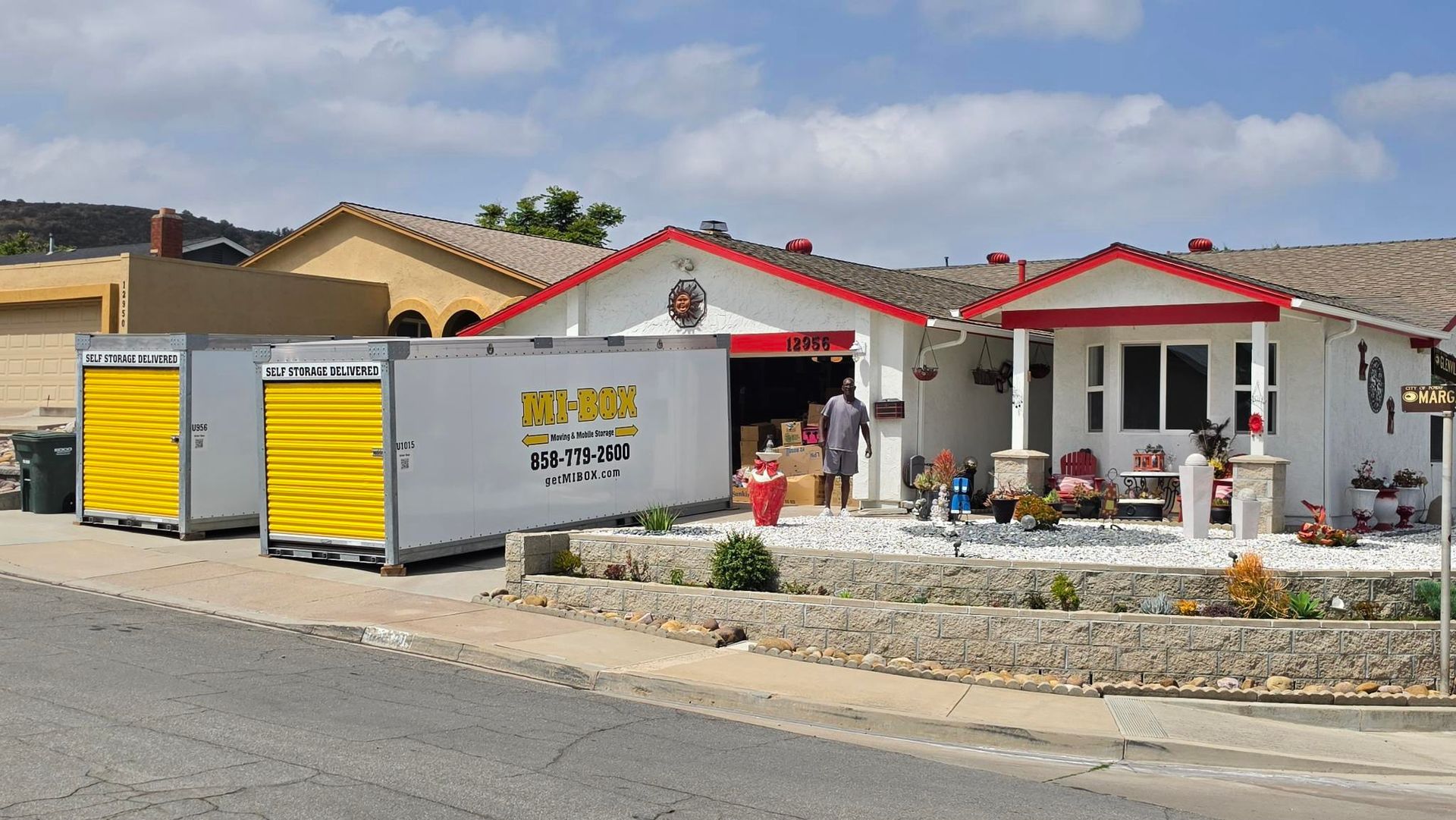
Major renovations are complicated enough. The last thing homeowners need is furniture stacked in hallways, spare bedrooms, and garages. A little planning up front makes the whole project feel calmer — the same idea behind using portable storage for a stress-free home renovation.
Portable storage allows you to:
- Clear rooms completely
- Protect belongings from dust
- Keep items nearby
- Create safer work areas
- Move back in gradually
- Reduce disruption throughout the project
On-site storage helps homeowners maintain control of the renovation process while giving contractors the space they need to work efficiently. When intent aligns with organization, construction tends to move more smoothly.
Ready for Your Whole-Home Renovation?
If you're planning a major remodel, room addition, whole-home flooring project, or large-scale renovation, now is the time to think about storage. The 20' x 8' MI-BOX container is often the perfect solution for homeowners who need to temporarily clear large portions of their home while construction is underway.
Talk with the local MI-BOX San Diego team about container sizes, delivery options, and flexible storage solutions for your renovation timeline. Call 1-858-943-0680 or request a quote today
Frequently Asked Questions
What size storage container is best for a whole-home renovation?
For major remodels and additions, the 20' x 8' MI-BOX container is often the most popular option because it provides enough space for furniture and belongings from multiple rooms.
Do I need to empty rooms before flooring installation?
Yes. Most flooring projects require furniture and belongings to be removed so installers can work efficiently throughout the space.
Can I move furniture back in before the entire renovation is finished?
Yes. One advantage of driveway storage is the ability to move belongings back room by room as construction areas are completed.
Is portable storage useful during home additions?
Absolutely. Home additions often affect adjacent rooms and create temporary storage needs for furniture, household items, and personal belongings.
What is the best way to protect furniture during a major renovation?
Removing furniture from active construction areas and storing it in a portable storage container helps protect it from dust, debris, and project-related disruptions.
Recent Blog Posts